Gardening My Therapy SVG: A Designer’s Stitch Review
As an embroidery designer who has spent countless hours digitizing and testing files for real-world application, I approach every new machine embroidery design with a critical eye. It is not enough for a graphic to look good on a screen; it must translate flawlessly into thread. Recently, I evaluated the Gardening My Therapy Svg to determine its viability for client projects and small business inventory. This piece falls squarely into the popular niche of plant-themed Crafts, appealing to the growing demographic of plant lovers and gardening enthusiasts. Here is my practical assessment of how this design performs when moved from digital Graphics to tangible fabric.
First Impressions and Visual Personality
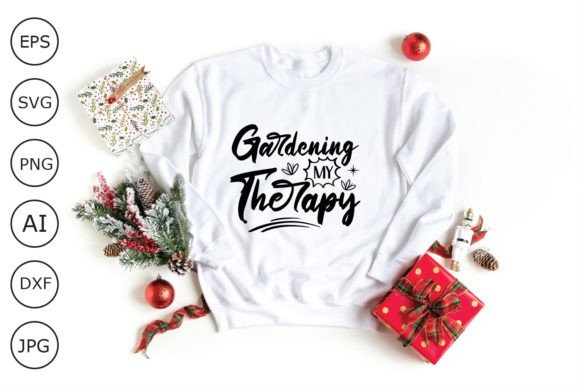
The immediate appeal of the Gardening My Therapy Svg lies in its relatable humor and clean aesthetic. In a market saturated with generic floral motifs, this design offers a personality-driven statement that resonates with the "plant mom" and "crazy plant lady" culture. The layout typically balances typographic elements with botanical illustrations, such as cacti or houseplants, creating a cohesive visual unit. From a design perspective, the mood is lighthearted yet sophisticated, making it suitable for both casual wear and home decor. The lines appear crisp, which is a promising sign for stitch clarity, provided the digitization matches the vector quality.
Real-World Application: The Tote Bag Test
To truly understand the value of an embroidery file, I visualize it on specific products. I imagined using this design for a custom canvas tote bag, a staple item for any Etsy seller or craft fair vendor. Canvas provides a stable, medium-weight foundation that supports moderate stitch density without puckering. When applied to a tote, the Gardening My Therapy Svg acts as a focal point. The combination of text and plant imagery creates a balanced composition that draws the eye without overwhelming the fabric’s texture. For a small shop product, this kind of design adds perceived value because it feels personalized and intentional, rather than mass-produced.
Beyond totes, this design shines on sweatshirt embroidery. A crewneck sweatshirt in a neutral tone like sage green, cream, or heather gray provides an excellent backdrop. The humorous quote connects emotionally with the wearer, turning a simple garment into a conversation starter. For custom apparel businesses, offering this as a ready-to-stitch option can streamline production while maintaining a high level of creative appeal.
Technical Performance and Stitching Clarity
When evaluating any digital embroidery file, I look closely at how the design handles transitions between text and imagery. In the case of Gardening My Therapy Svg, the success of the final product depends heavily on the digitizer’s choice of stitch types. Ideally, the text should utilize a clean satin stitch or a tight running stitch for smaller sizes to ensure legibility. The plant elements, whether they are cacti or leafy houseplants, may benefit from a combination of satin borders and light fill stitch areas to add dimension without excessive bulk.
Stitch density is a crucial factor here. If the design is too dense, it can cause the fabric to pucker, especially on lighter materials. Conversely, if it is too sparse, the underlying fabric might show through, compromising the professional look of the finished product. I recommend reviewing the design in your embroidery software to check for overlapping stitches or unnecessary travel jumps. A well-digitized version of this svg will minimize thread breaks and reduce production time, which is vital for commercial viability.
Fabric Considerations and Hoop Constraints
Not all fabrics are created equal, and the Gardening My Therapy Svg requires thoughtful material selection. On textured fabrics like terry cloth towels or waffle knit, fine details in the plant leaves or small lettering may get lost. For these surfaces, I suggest scaling up the design slightly or simplifying the color palette to enhance contrast. When working with stretchy fabrics like jersey knits for t-shirts, using a proper stabilizer is non-negotiable. A cut-away stabilizer will provide the necessary support to prevent distortion during washing and wear.
Hoop size also dictates where this design can be placed. While it fits comfortably in standard 5x7 or 6x10 hoops, attempting to shrink it for a small 4x4 hoop on a cap or baby item requires caution. Tiny lettering can become illegible if reduced too much, and intricate plant details may merge into a solid blob of thread. Always test a scaled-down version on scrap fabric before committing to a final embroidery project. For curved surfaces like caps, consider splitting the design or using a specialized cap frame to ensure even tension.
Commercial Viability and Brand Consistency
For craft business owners, the versatility of this design is a major asset. It fits seamlessly into seasonal collections, such as spring gardening kits or Earth Day promotions. It also works well for holiday embroidery gifts, particularly for Mother’s Day or birthdays for gardening enthusiasts. The relatable nature of the quote helps build customer trust and engagement, as buyers see their own hobbies reflected in the product. This emotional connection can drive higher conversion rates for online listings and boutique displays.
However, professionalism is key. Ensure that the thread colors you choose align with your brand identity. Earthy tones like olive, terracotta, and mustard work beautifully with the gardening theme, while bright pops of color can highlight the humorous aspect. Consistency in presentation, from the stitching quality to the printable mockup images used for marketing, reinforces brand reliability. High-quality photos of the stitched design on various items, such as aprons or pillow covers, help customers visualize the end result.
Practical Designer Notes for Best Results
- Test on Scrap Fabric: Always run a test stitch-out on the same type of fabric you plan to use for the final product to check for registration issues.
- Check Thread Contrast: Ensure there is sufficient contrast between the thread and fabric, especially for the text elements, to maintain readability.
- Review Stitch Density: Adjust density settings in your software if the design appears too heavy for lightweight fabrics.
- Confirm Hoop Size: Verify that the design dimensions fit your available hoops without requiring excessive resizing that could distort proportions.
- Inspect Small Details: Zoom in on the digital file to ensure that tiny leaves or serifs on letters are not too thin to stitch reliably.
- Use Proper Stabilizer: Match the stabilizer type to the fabric weight and stretch to prevent puckering and shifting.
- Verify Licensing: Before selling finished items or using the design in commercial products, confirm the license terms provided with the design assets.
In conclusion, the Gardening My Therapy Svg is a strong contender for any designer’s library. Its blend of humor and botanical charm makes it highly marketable for a wide range of personalized gift options. By paying attention to technical details like stitch density, fabric choice, and hoop constraints, you can ensure that this design delivers a professional, high-quality result that customers will love. Whether you are creating a single embroidered patch or a full line of custom apparel, this design offers the flexibility and appeal needed to succeed in the competitive handmade market.