Home the Story of Who We Are: A Designer’s Review
As an embroidery designer who has spent years digitizing files and testing them on everything from stiff canvas to delicate knits, I approach every new machine embroidery design with a mix of curiosity and skepticism. We have all seen those trendy farmhouse quotes that look stunning on a screen but turn into a tangled mess of thread once the needle hits the fabric. That is why I took a close look at Home the Story of Who We Are, not just as a digital asset, but as a potential centerpiece for real-world projects.
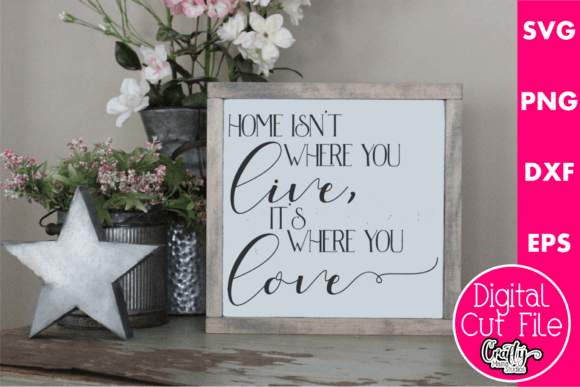
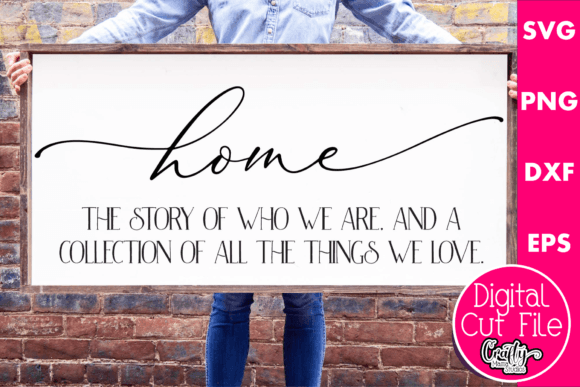
This particular piece, often categorized under Crafts and Graphics, carries a weight that goes beyond simple decoration. It is a statement about identity, warmth, and belonging. When I first opened the file, my immediate impression was one of balanced typography. The layout suggests a narrative flow, which is crucial for text-based embroidery. If the spacing is too tight, the stitches merge; if it is too loose, the message loses its cohesion. In this case, the visual personality feels grounded and inviting, making it a strong candidate for items meant to evoke comfort.
The Real-World Test: From Screen to Stitch
To truly evaluate an embroidery file, you have to imagine it in motion. I recently worked on a custom order for a client launching a small boutique line of home goods. She needed a design that could work on a heavy canvas tote bag and a softer cotton apron. This is where Home the Story of Who We Are shines. The design’s structure allows it to sit flat against textured surfaces without puckering excessively, provided you use the right stabilizer.
I envisioned this design stitched onto a natural linen tote bag. The rustic charm of the quote pairs perfectly with the organic feel of linen. Using a classic satin stitch for the bolder elements and a finer running stitch for the delicate connectors would create a nice contrast in texture. For a sweatshirt, however, the approach changes. You would need to consider the stretch of the fabric. A dense fill stitch might cause the garment to warp after washing, so adjusting the stitch density or opting for a lighter applique design approach could be necessary depending on the specific digitization details.
Versatility Across Product Lines
One of the strongest assets of this design is its adaptability. For Etsy sellers and craft business owners, versatility equals profitability. Here is how I see this design performing across different categories:
- Custom Apparel: On a crewneck sweatshirt, centered on the chest, this design acts as a subtle yet powerful brand statement. It works well for family reunions or housewarming gifts.
- Home Decor: Imagine this embroidered on a pillow cover or a kitchen tea towel. The theme aligns perfectly with the function of the item, enhancing the emotional value of the handmade product.
- Baby Items: While the text is sophisticated, it can be scaled down for a baby blanket. However, you must ensure the lettering remains legible at smaller sizes. Tiny details can get lost in the pile of minky or fleece fabrics.
- Holiday Embroidery: During the holiday season, personalized gifts are in high demand. This quote fits seamlessly into winter-themed collections, especially when paired with traditional reds, greens, or cozy neutrals.
For those selling digital embroidery files, offering this as part of a bundle with other home-themed graphics can increase the perceived value. It serves as a strong anchor piece in a collection of design assets.
Navigating Technical Challenges
While the aesthetic appeal is high, practical application requires caution. Not every surface is friendly to complex text designs. If you are planning to stitch Home the Story of Who We Are on a curved surface like a cap, you need to be mindful of distortion. The curvature of the bill or the crown can stretch the design, making straight lines appear wavy. In such cases, using a sturdy cut-away stabilizer is non-negotiable.
Another critical factor is fabric texture. On highly textured fabrics like terry cloth or thick wool, fine details may disappear. I recommend doing a test run on scrap fabric that matches your final material. Check the thread color contrast carefully. A low-contrast combination, such as beige thread on cream fabric, might look elegant in a printable mockup but can render the text unreadable in person. Always test in black and white first to ensure the shapes hold up without relying on color differentiation.
Additionally, consider the hoop size. If the design is large, you might need to split it or use a larger hoop, which not all home machines support. Verify the dimensions before committing to a project. If the design includes intricate corners or tiny serifs, ensure your machine can handle the precision required. Jagged edges on lettering are a dead giveaway of poor digitization or incorrect tension settings.
Enhancing Brand Value and Customer Trust
For small shop owners and commercial embroidery professionals, the quality of your finished product directly impacts customer trust. A clean, well-stitched design like Home the Story of Who We Are elevates the perceived value of the item. It signals professionalism and attention to detail. When customers receive a personalized gift that looks polished and durable, they are more likely to leave positive reviews and return for future purchases.
This design also supports brand consistency. If your shop focuses on heartfelt, family-oriented products, this quote reinforces your brand narrative. It is not just a graphic; it is a story that resonates with your target audience. By using high-quality thread colors and proper finishing techniques, you transform a simple embroidery project into a cherished keepsake.
Practical Notes for Designers
Before you load this design into your machine, keep these practical tips in mind:
- Check Licensing: Always confirm the license terms. Does the download allow for commercial use? Can you sell finished items on Etsy or at craft fairs? Never assume; always read the documentation included with the SVG, EPS, DXF, and PNG formats.
- Stabilizer Selection: Match your stabilizer to your fabric. Use tear-away for stable woven fabrics and cut-away for stretchy knits. This prevents shifting and ensures crisp edges.
- Thread Quality: Invest in good quality embroidery thread. Cheap thread can break frequently, causing delays and uneven stitching. It also affects the sheen and overall look of the finished product.
- Mockup Testing: Create digital mockups on various backgrounds to visualize the final look. This helps in marketing your products online before you even stitch a single thread.
In conclusion, Home the Story of Who We Are is a compelling addition to any designer’s library. It offers emotional depth and visual appeal, making it suitable for a wide range of applications from custom apparel to home decor. However, its success depends on thoughtful execution. By paying attention to fabric choice, stabilizer type, and stitch settings, you can ensure that this design delivers the high-quality results your customers expect. Whether you are a hobbyist making gifts for friends or an Etsy seller building a brand, this design provides a solid foundation for creating meaningful, beautiful embroidery work.