One Day or Day One: A Designer’s Embroidery Review
As an experienced embroidery designer and product reviewer, I have spent countless hours digitizing, stitching, and critiquing digital assets for real-world application. In the crowded marketplace of Crafts and Graphics, finding a design that balances aesthetic appeal with technical stitchability is rare. Recently, I evaluated the One Day or Day One You Decide design to determine its viability for professional use. This is not just a theoretical review; it is an assessment based on how this file performs when transferred from a screen to actual fabric.
The phrase itself carries weight. It is a motivational pivot point, urging the viewer to stop procrastinating and start acting. For those of us in the creative industry, whether we are Etsy sellers, small shop owners, or hobbyists, this message resonates deeply. But does the design hold up under the needle? Let’s dive into the practical realities of using this machine embroidery design in your next project.
First Impressions: Mood and Visual Personality
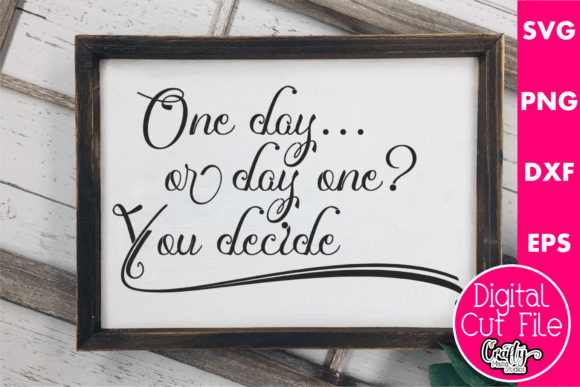
When I first loaded the digital embroidery file into my software, the layout immediately struck me as clean and purposeful. The typography is bold enough to be legible but retains a human touch that prevents it from feeling sterile. In the world of design assets, clarity is king. A cluttered design often translates poorly into thread, resulting in messy jumps and excessive trim points. This design, however, appears structured with intention.
The mood is empowering yet gentle. It fits seamlessly into the current trend of mindful living and self-improvement decor. Visually, it suggests versatility. It does not scream for attention with overly complex flourishes, which makes it an excellent candidate for various embroidery projects. Whether you are aiming for a rustic look on a linen tote or a modern aesthetic on a minimalist sweatshirt, the visual personality of One Day or Day One You Decide adapts well. It feels like a piece of art that belongs in a home, not just a logo slapped on merchandise.
Real-World Application: From Screen to Stitch
To truly test the value of this embroidery file, I imagined a specific scenario: creating a custom tote bag design for a local boutique client. The client wanted something inspirational but subtle, suitable for everyday carry. I selected a heavy cotton canvas, knowing that the fabric texture would interact with the stitches.
In this context, the design shines. The lettering spacing allows for a standard satin stitch or a tight fill stitch without causing puckering, provided the stabilizer is chosen correctly. For a sweatshirt embroidery project, the same design would require a different approach. On fleece or French terry, the texture can swallow thin lines. Here, the boldness of the font in One Day or Day One You Decide works in your favor. It remains readable even when the fabric pile pushes against the threads.
Consider also the potential for baby embroidery. Parents love meaningful quotes on onesies or nursery blankets. However, safety and comfort are paramount. If the design includes dense areas, one must ensure the back of the stitching is soft against sensitive skin. Using a high-quality cut-away stabilizer and trimming excess backing is crucial. This design’s open layout likely minimizes heavy buildup, making it a safer choice for delicate items compared to more intricate, dense alternatives.
Navigating Technical Challenges
While the design is strong, no digital file is immune to user error. There are specific situations where One Day or Day One You Decide requires careful handling. First, consider hoop size. If you are working with a small 4x4 hoop, you may need to scale the design down. Reducing size increases stitch density relative to the area, which can lead to thread breaks or fabric distortion. Always check the recommended minimum size before resizing.
Textured fabrics present another challenge. On highly textured materials like waffle knit or rough linen, fine details can get lost. If you are stitching on dark fabric, thread contrast becomes critical. A light gray thread on black fabric might look elegant in a printable mockup, but in reality, it may lack definition. I recommend testing thread colors physically. High-contrast combinations, such as white on navy or gold on charcoal, often yield the most professional finished product.
Curved surfaces, such as caps or hats, require additional stabilization. The design’s linear nature means it must be hooped perfectly straight. Any slight tilt will be noticeable and detract from the professionalism of the handmade product. For embroidered patch creation, ensure that the edges of the letters do not extend too close to the cut line, preventing fraying over time.
Impact on Brand Value and Customer Trust
For commercial embroidery professionals and craft business owners, the quality of your design directly impacts your brand perception. A clean, well-stitched quote like One Day or Day One You Decide signals attention to detail. Customers associate crisp lettering with high value. Sloppy stitching, on the other hand, suggests amateurism.
Using this design in your Etsy listings or craft fair displays can enhance buyer engagement. Motivational quotes are evergreen sellers. They make excellent personalized gifts for graduations, New Year’s resolutions, or career changes. When a customer sees a well-executed design, they trust the maker. This trust translates into repeat business and positive reviews. Furthermore, consistent use of high-quality design assets helps build a cohesive brand identity. If your shop specializes in motivational wear, this file becomes a staple in your portfolio.
Practical Notes for the Embroidery Designer
Before you commit to a large production run or a high-value custom order, follow these practical steps:
- Test on Scrap Fabric: Never stitch directly on your final garment. Use a similar scrap piece to check tension and alignment.
- Check Stitch Density: Review the file in your embroidery software. Look for areas where stitches overlap excessively, which can cause bulk.
- Verify Formats: The product description mentions SVG, EPS, DXF, and PNG formats. Ensure you are using the correct embroidery file format (such as PES, DST, or JEF) compatible with your specific machine. Do not attempt to convert vector graphics like SVG directly into embroidery without proper digitizing software unless you are experienced in auto-digitizing.
- Licensing Confirmation: Always confirm the license terms. Can you sell finished items? Are there restrictions on quantity? Protect your small shop product line by ensuring you are compliant.
- Stabilizer Selection: Match your stabilizer to your fabric. Use tear-away for stable woven fabrics and cut-away for stretchy knits like t-shirts and sweatshirts.
- Mockup Testing: Create both light and dark background mockups. This helps visualize how the design will pop in different contexts.
In conclusion, One Day or Day One You Decide is a versatile and impactful addition to any designer’s library. It bridges the gap between motivational messaging and aesthetic craftsmanship. By respecting the technical requirements of embroidery—such as proper stabilization, thread choice, and fabric selection—you can transform this digital file into a tangible, high-quality handmade product. Whether for a holiday gift, a boutique item, or personal use, this design offers the clarity and inspiration needed to make every stitch count.