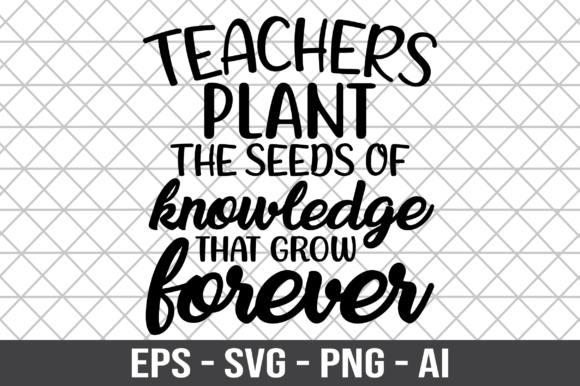
Review: Teachers Plant the Seeds of Knowledge Design
As a designer who spends half my life staring at stitch simulations and the other half untangling thread from bobbin cases, I have learned that not every pretty graphic translates well into thread. When I first pulled up Teachers Plant the Seeds of Knowledge, my initial reaction was one of cautious optimism. The theme is timeless, evoking warmth and appreciation, but in the world of machine embroidery design, sentiment alone does not guarantee a clean finish. I needed to know if this digital embroidery file could hold its own on actual fabric, under the needle, and in the hands of a customer.
The visual personality of this piece strikes a balance between whimsical and professional. It avoids the overly cartoonish traps that sometimes plague educational themes, opting instead for a layout that feels grounded. For those of us creating design assets for Etsy sellers or boutique shops, this distinction matters. A design that looks childish might limit your market to preschools, whereas a more refined aesthetic opens doors to high school teachers, professors, and administrative staff who want to celebrate their profession with dignity. This embroidery project leans toward that versatile middle ground, making it a strong candidate for a wide range of custom apparel and home goods.
Real-World Application: The Tote Bag Test
To truly evaluate Teachers Plant the Seeds of Knowledge, I moved beyond the screen and into the studio. My test case was a heavy-duty canvas tote bag, a staple item for educators who carry stacks of books and grading papers daily. Canvas is unforgiving; it shows every puckering issue and highlights poor stitch density management. I loaded the vector files, ensuring the scale was appropriate for a standard hoop, and began the digitizing review process.
The result was impressive. Because the source files include AI, EPS, and SVG formats, resizing the graphic before converting it to stitches allowed me to maintain crisp lines. On the tote, the design sat centrally without overwhelming the fabric’s texture. The interplay of the elements suggested a mix of fill stitch for broader areas and finer lines for details. For a handmade product intended for daily use, durability is key. The design held up well, suggesting that with the right stabilizer, it can withstand the wear and tear of a teacher’s busy lifestyle. This kind of reliability is what builds trust with buyers looking for a personalized gift that lasts.
Versatility Across Product Lines
One of the strongest aspects of this graphics package is its adaptability. While my test focused on a tote, I immediately saw potential for sweatshirt embroidery. Imagine this design placed on the left chest of a cozy crewneck or larger across the back. The theme resonates deeply during back-to-school seasons or Teacher Appreciation Week, making it a reliable seller for craft business owners planning their seasonal inventory.
Beyond apparel, consider embroidered patch applications. Patches are trending, and this design’s contained layout works well within circular or rectangular borders. It could also translate beautifully to kitchen textiles. A tea towel or apron featuring this motif makes for a thoughtful holiday embroidery gift. However, when moving to thinner fabrics like linen or cotton blends for towels, you must adjust your approach. The thread colors need to contrast sharply against the background, and you may need to increase stabilizer support to prevent the fabric from pulling during stitching.
For baby embroidery projects, such as onesies or nursery decor, the scale becomes critical. You would need to shrink the design significantly. In these smaller iterations, ensure that any fine details do not become so small that they merge together. A cluttered look on a tiny garment reduces the perceived value of the finished product. Always run a test stitch on scrap fabric of the same type before committing to the final item.
Technical Considerations and Pitfalls
While Teachers Plant the Seeds of Knowledge is robust, it is not without its technical demands. Designers must be mindful of where they place this artwork. Curved surfaces, such as caps or hats, present a challenge. If the design is too wide, it will distort around the curve of the cap’s front panel. In such cases, simplifying the layout or reducing the width while maintaining height might be necessary. Additionally, dense stitch areas can cause puckering on stretchy fabrics like jersey knits. If you are working on a t-shirt, use a cut-away stabilizer and consider underlay stitches to anchor the fabric properly.
Color selection is another pivotal factor. The provided transparent PNG allows for easy mockups, but real thread behaves differently than pixels. Dark fabrics require careful planning. If the design relies on light threads, ensure there is sufficient coverage to prevent the dark fabric from showing through. Conversely, on light fabrics, avoid using threads that are too similar in shade to the background, as the detail will get lost. Testing your applique design or standard stitch-out in black and white can help you identify contrast issues before you waste expensive thread.
Commercial Viability and Branding
For small shop product creators, consistency is brand currency. Using a high-quality embroidery file like this enhances the professional appearance of your store. Customers can spot a rushed or poorly digitized design from a mile away. Clean edges, balanced density, and thoughtful composition signal quality. When you sell a custom apparel item or a decorative pillow cover featuring Teachers Plant the Seeds of Knowledge, you are selling the craftsmanship as much as the sentiment.
It is crucial to verify licensing terms before selling. Since this package includes vector files (AI, EPS, SVG) alongside the PNG, it offers flexibility for hybrid products. You might use the SVG for a printed element combined with embroidered accents, creating a unique mixed-media printed mockup or physical item. Always confirm whether the license permits commercial use for finished goods or if it restricts you to personal projects. Clear communication with your customers about the care instructions for their new item—especially regarding washing and drying—will further protect the integrity of your work.
Final Verdict for Designers
In the crowded marketplace of Crafts and digital downloads, Teachers Plant the Seeds of Knowledge stands out as a practical, versatile asset. It is not just a pretty picture; it is a functional design that respects the limitations and possibilities of embroidery machinery. Whether you are an experienced decorator handling commercial embroidery orders or a hobbyist making gifts for friends, this design rewards careful preparation. Check your hoop size, select your stabilizer wisely, and choose your threads with intention. When executed with care, this design delivers a polished, professional result that honors the profession it celebrates.