Reviewing Fabulous Since 1976 Retro Svg Design
As an embroidery designer who has spent years digitizing patterns and testing them on everything from stiff denim to delicate baby knits, I approach every new machine embroidery design with a critical eye. It is not just about whether the image looks cute on a screen; it is about how those lines translate into thread, how the fabric reacts to the needle penetration, and ultimately, whether the finished product holds up to real-world wear. Recently, I evaluated the Fabulous Since 1976 Retro Svg Design to determine its viability for client projects and small business inventory. This piece falls under the broad categories of Crafts and Graphics, but its true value lies in its application as a versatile embroidery file for personalized apparel and home goods.
First Impressions and Visual Personality
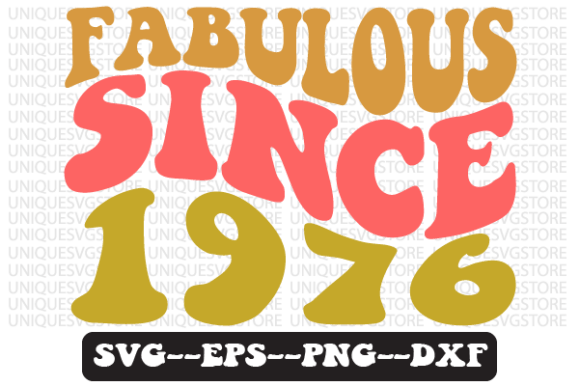
The first thing that strikes you about the Fabulous Since 1976 Retro Svg Design is its nostalgic charm. The typography and layout evoke a specific era, tapping into the popular retro aesthetic that continues to dominate social media and boutique markets. For an embroiderer, the visual personality of a design dictates its potential. This particular graphic suggests confidence and fun, making it an ideal candidate for celebratory items. When I visualize this design stitched out, I see clean lines and a balanced composition that should translate well into thread, provided the digitization respects the original vector paths. The mood is lighthearted yet polished, which is a difficult balance to strike in vintage-inspired design assets.
Real-World Application: The Custom Sweatshirt Test
To truly understand the potential of this design, I imagined a specific real-life scenario: a custom order for a birthday gift. The client wanted a high-quality, personalized item for a friend turning a significant milestone age. I chose a mid-weight cotton blend sweatshirt as the canvas. The Fabulous Since 1976 Retro Svg Design was positioned on the left chest area, a classic spot for subtle branding or personal statements. In this context, the design shines. It is not overly large, which prevents the garment from feeling heavy or stiff, but it is distinct enough to be read clearly from a conversational distance.
This type of sweatshirt embroidery benefits greatly from the retro style. The inherent simplicity of the graphics allows the texture of the thread to enhance the lettering rather than compete with it. If I were using a fill stitch for the larger elements, the result would be solid and vibrant. For thinner lines, a satin stitch would provide that glossy, professional finish that customers associate with high-end custom apparel. The design’s structure suggests it could also work beautifully as an applique design, where a contrasting fabric is cut to shape and stitched down, adding a tactile dimension that flat printing cannot achieve.
Versatility Across Product Lines
Beyond sweatshirts, the versatility of this digital embroidery file is impressive for any Etsy seller or craft business owner. Consider its application on a canvas tote bag design. The sturdy nature of canvas handles higher stitch density well, allowing the design to pop with vibrant thread colors. It would also make a charming addition to a kitchen towel or apron, transforming a utilitarian object into a personalized gift with character. For those creating baby embroidery items, such as onesies or bibs, the design’s playful tone fits perfectly, though one must be mindful of the fabric’s delicacy.
The description notes that this is also a printable PNG for sublimation. This dual utility is a significant advantage for small shop product lines. You can offer the same "Fabulous Since 1976" theme on embroidered hats and sublimated mugs, creating a cohesive brand collection. This consistency builds customer trust and encourages repeat purchases. Whether used for holiday embroidery gifts or year-round commercial embroidery projects, the design maintains its relevance.
Technical Considerations and Fabric Constraints
However, practical design judgment requires acknowledging limitations. While the Fabulous Since 1976 Retro Svg Design is visually appealing, its success depends heavily on execution. When working with stretchy fabrics like jersey knits for t-shirts, proper stabilization is non-negotiable. Without a cut-away stabilizer, the stitching may pucker, distorting the retro lettering and ruining the aesthetic. Similarly, on textured fabrics like terry cloth or fleece, fine details might get lost. In these cases, simplifying the design or increasing the size slightly can help maintain clarity.
Curved surfaces present another challenge. If you plan to use this on a cap, the curvature of the front panel can distort wide designs. The horizontal layout of this graphic means it must be centered perfectly to avoid looking skewed. For embroidered patch creation, this design is excellent because the backing provides stability, allowing for dense stitching without worrying about fabric distortion. Always test the design on scrap fabric first. Check the hoop size compatibility with your machine, and inspect small details to ensure they do not become tangled threads during production.
Enhancing Brand Value and Customer Engagement
From a business perspective, the choice of design directly impacts perceived value. A well-executed embroidery project signals quality and effort. The Fabulous Since 1976 Retro Svg Design contributes to this perception by offering a trendy, recognizable style that resonates with current market trends. When customers see a cleanly stitched retro design, they associate it with professionalism. This enhances brand consistency for handmade product sellers who want to stand out in a crowded marketplace.
Moreover, the emotional connection of the phrase "Fabulous Since 1976" adds a layer of storytelling to the product. It celebrates longevity and personal history, making it a powerful tool for engagement. Buyers are not just purchasing a shirt; they are buying a celebration of identity. This emotional resonance can justify a higher price point and encourage social sharing, which is invaluable for organic marketing.
Practical Notes for the Embroiderer
Before launching this design into your production line, there are several steps to take. First, verify the license terms. Since this is a printable product and digital asset, confirm whether commercial use is permitted for both physical items and digital resales. Next, run test stitches in multiple colorways. While the retro vibe often calls for muted or earthy tones, testing high-contrast combinations can reveal how well the edges define against different backgrounds. Use black and white mockups to check for readability without the distraction of color.
Pay attention to the transition between stitch types. If the design includes both thick and thin elements, ensure the digitization handles the jump stitches and trim points efficiently to minimize production time. For dark fabrics, consider using an underlay stitch that matches the top thread to prevent the fabric color from showing through. Finally, always communicate care instructions to your customers. Embroidered items last longer when washed inside out in cold water, preserving the integrity of the running stitch outlines and fill areas.
In conclusion, the Fabulous Since 1976 Retro Svg Design is a strong contender for any designer’s library. It balances aesthetic appeal with practical applicability across a range of Crafts and Graphics projects. By respecting the technical requirements of embroidery and understanding the emotional weight of the design, you can create products that are not only visually stunning but also commercially successful. Whether you are a hobbyist making gifts or a seasoned apparel decorator fulfilling bulk orders, this design offers the flexibility and charm needed to delight your audience.