Reviewing My Day Starts with Coffee SVG for Embroidery
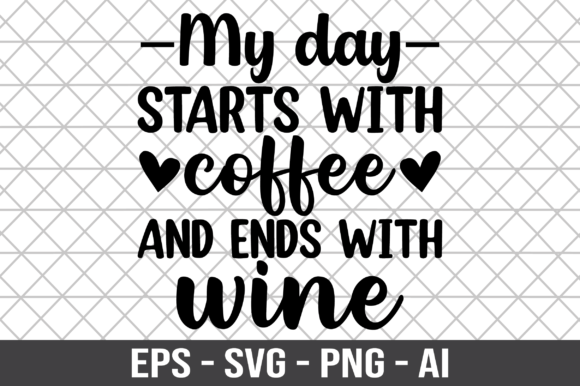
As a designer who spends more time staring at stitch simulations than I do sleeping, I have learned that not every cute phrase translates well to thread. We see thousands of digital embroidery files cross our screens daily, but only a handful possess the structural integrity and visual charm required for a high-quality finished product. Recently, I downloaded My Day Starts with Coffee and Ends SVG to test its viability for a client’s spring collection. What follows is my practical assessment of how this design performs in real-world embroidery projects, from hoop selection to final presentation.
First Impressions: Mood and Layout
The immediate appeal of My Day Starts with Coffee and Ends SVG lies in its relatability. It captures a universal sentiment shared by parents, professionals, and hobbyists alike. From a graphic design perspective, the layout is clean. It avoids the cluttered, overly complex typography that often plagues lower-quality design assets. The balance between text and any accompanying graphical elements feels intentional, leaving enough negative space for the fabric to breathe. This is crucial because, in embroidery, negative space is not just empty; it is a design element that prevents the garment from becoming stiff or board-like.
The mood is casual yet polished. It does not scream for attention but rather invites a smile. This subtlety makes it versatile. It fits comfortably within the Crafts and Graphics categories without feeling generic. For an Etsy seller or small shop product creator, this kind of understated charm often converts better than loud, aggressive graphics because it feels like a lifestyle statement rather than a billboard.
Real-World Application: The Tote Bag Test
To truly evaluate a file, you must imagine it stitched. I visualized My Day Starts with Coffee and Ends SVG on a heavy canvas tote bag. This is a popular item for craft business owners because it offers a large, flat surface area. The design’s horizontal orientation works perfectly here. I imagined using a contrasting thread colors palette—perhaps a warm espresso brown for the coffee references and a soft cream or slate gray for the text. On canvas, the texture of the fabric interacts beautifully with standard fill stitch patterns, giving the letters a tactile, premium feel.
Beyond totes, I considered this for sweatshirt embroidery. A crewneck sweatshirt provides a cozy backdrop for this message. However, placement is key. Centered on the chest, it acts as a classic statement piece. On the sleeve, it might feel too cramped unless the design is significantly scaled down. For custom apparel, the scalability of the vector files included (AI, EPS, SVG) is a major advantage. You can resize the design without losing edge clarity, which is essential when moving from a large back-print on a hoodie to a small pocket logo on a flannel shirt.
Versatility Across Products
The flexibility of this design extends to several other niches:
- Baby embroidery: While the message is adult-oriented, the aesthetic can be softened with pastel threads for a new parent’s gift, perhaps on a diaper bag rather than the baby’s clothes.
- Embroidered patch: The clean lines make it an excellent candidate for a merrowed-edge patch. Patches are trending in commercial embroidery right now, allowing customers to add personality to denim jackets or backpacks.
- Kitchen towels and aprons: Given the coffee theme, home goods are a natural fit. A linen tea towel with this design stitched in a simple running stitch or light satin border would make a thoughtful personalized gift.
- Holiday embroidery: During the holiday season, this design can be paired with festive elements to create unique gifts for teachers or colleagues, boosting buyer engagement in seasonal shops.
Technical Considerations and Stitching Challenges
While the design is visually appealing, technical execution requires care. As an experienced reviewer, I must highlight where things can go wrong. The primary concern with text-based designs is legibility at smaller sizes. If you plan to use My Day Starts with Coffee and Ends SVG on a cap or a curved surface, you must check the hoop size constraints. Curved fabrics distort stitches, and tight letter spacing can lead to thread breaks or puckering if the stitch density is too high.
I recommend checking the digitizing quality before committing to a full production run. Look for proper underlay stitches, which anchor the top threads to the fabric. Without good underlay, the design may shift during washing. Also, consider the fabric texture. On thin or stretchy fabrics, such as performance tees or lightweight rayon, a heavy satin stitch border might cause the fabric to gather. In these cases, using a cut-away stabilizer is non-negotiable. For textured fabrics like terry cloth or fleece, you may need to adjust the pull compensation to ensure the letters do not appear distorted.
Another critical factor is contrast. This design relies on readability. If you stitch white thread on a light gray heathered shirt, the message will vanish. Always test your thread colors against the garment. A quick mockup in black and white can reveal if the contrast is sufficient before you thread up the machine.
Enhancing Brand Value and Customer Trust
Why does design quality matter? Because it directly impacts perceived value. A poorly digitized design with jumped stitches or loose threads signals amateurism. Conversely, a crisp, well-executed version of My Day Starts with Coffee and Ends SVG signals professionalism. For handmade product sellers, this distinction builds customer trust. When a buyer receives a personalized gift that looks store-bought in its precision but handmade in its charm, they are more likely to leave positive reviews and return for future purchases.
Furthermore, consistent use of high-quality embroidery file formats helps maintain brand consistency. Whether you are selling on Etsy, at local craft fairs, or through a boutique website, the visual language of your products should remain cohesive. This design’s clean aesthetic allows it to blend seamlessly with various brand styles, from rustic and bohemian to modern and minimalist.
Practical Designer Notes for Best Results
Before you launch this design into your craft business, follow these practical steps to ensure success:
- Test on scrap fabric: Never stitch a new design directly on a final garment. Use a similar fabric scrap to check tension and density.
- Verify file formats: The package includes AI, EPS, SVG, and PNG files. Ensure your embroidery software can import the vector formats if you plan to edit or resize the design further. Note that SVG is primarily for cutting machines or web use, while AI and EPS are best for professional graphic editing.
- Check licensing: Always confirm the license terms provided with the download. Most designers allow commercial use for physical finished product sales, but restrictions may apply to reselling the digital file itself.
- Inspect small details: Zoom in on the vector files. Look for stray nodes or overlapping paths that could confuse your digitizing software or cutting machine.
- Consider washability: If the item is meant for frequent washing, such as a kitchen towel or baby item, ensure the stitch type is durable. Satin columns should not be too wide, as they are prone to snagging.
In conclusion, My Day Starts with Coffee and Ends SVG is a strong contender for your next embroidery project. It balances trendiness with timeless appeal, offering versatility across multiple product types. By paying attention to technical details like stabilizer choice, thread contrast, and hoop placement, you can transform this digital asset into a standout handmade product that resonates with customers. It is a reliable addition to any designer’s library, provided it is executed with the care and precision that modern crafters expect.