Reviewing Steppin into Juneteenth Retro Svg for Stitchers
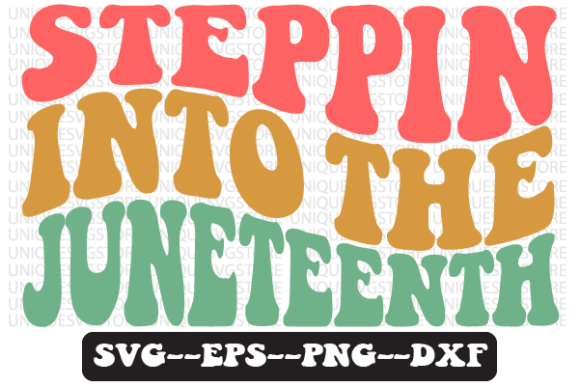
As a designer who spends half my life digitizing and the other half stitching, I have learned that not every graphic translates well to thread. When I first pulled up Steppin into Juneteenth Retro Svg, my immediate reaction was one of cautious optimism. The retro aesthetic is trending heavily in the Crafts sector right now, but retro typography often comes with tight kerning and thin serifs that can spell disaster for an embroidery machine. However, looking at this specific Juneteenth quote retro Svg Design, I saw potential for a high-impact finished product if handled with the right technical approach.
First Impressions: Mood and Visual Personality
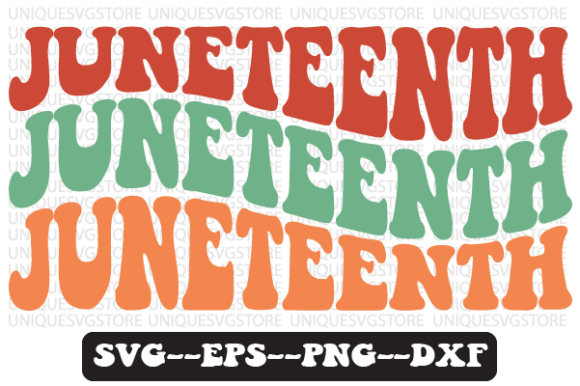
The design exudes a sense of joyful celebration and historical pride. The "retro" label is accurate; it leans into the bold, curvy typography styles of the 1970s, which pairs beautifully with the vibrant spirit of Juneteenth. For an embroidery project, this mood is crucial. You are not just stitching text; you are creating a wearable statement. The visual personality is bold and confident, which means it demands attention. It does not shy away from being the focal point of a garment.
From a layout perspective, the design feels balanced. In the world of Graphics, balance is easy to achieve digitally. In embroidery, balance determines whether your hoop pops or puckers. This design appears to have enough open space between letters to allow for proper stitch formation without excessive density. That said, the curves in the lettering will require careful attention to stitch angles to maintain smooth edges.
Real-World Application: The Custom Tote Bag Scenario
To truly evaluate Steppin into Juneteenth Retro Svg, I imagined a real-life scenario: a custom order for a local community center’s Juneteenth celebration. The client wanted durable, reusable tote bags as gifts for volunteers. A tote bag is an ideal canvas for this type of design because the fabric is usually thick cotton or canvas, providing a stable base for embroidery.
Using this design on a tote allows for a larger hoop size, which reduces the risk of distortion. The bold lines of the retro font would stand out clearly against natural-colored canvas. If I were stitching this, I would opt for a satin stitch border around the letters to give them definition, followed by a fill stitch for the body of the text. This combination adds texture and dimension, elevating the handmade product from a simple print to a tactile piece of art. Customers reacting to such a item are likely to appreciate the effort and quality, perceiving higher value than a standard screen-printed bag.
Performance on Apparel and Textured Fabrics
While totes are safe, apparel presents more challenges. Let’s consider sweatshirt embroidery. A hoodie or sweatshirt provides a plush background that can hide minor imperfections, but the fleece lining can cause shifting if not stabilized properly. For Steppin into Juneteenth Retro Svg, I would recommend a cut-away stabilizer to ensure the design remains crisp after multiple washes. The retro style works exceptionally well here because the bold fonts do not get lost in the texture of the fleece.
However, caution is needed when moving to thinner fabrics like t-shirts or onesies. For baby embroidery on a onesie, the scale of the design must be reduced. This is where the detail level becomes critical. If the design includes tiny decorative elements or thin connectors between letters, these may not stitch out cleanly at a smaller size. I always advise testing the design on scrap fabric first. Check if the stitch density is too high for lightweight knit fabric, which could cause puckering or stiffness that is uncomfortable for a baby’s skin.
Navigating Challenging Surfaces
Curved surfaces like caps present another hurdle. Embroidering on a cap requires a design that is not too wide, otherwise, it will wrap around the curve and distort. Steppin into Juneteenth Retro Svg might need to be split or significantly resized for a standard cap front panel. Additionally, the textured nature of twill cap material can swallow fine details. If the design relies on subtle gradients or very thin lines, they may disappear. In such cases, simplifying the stitch path or using a thicker thread weight might be necessary to maintain visibility.
Dark fabrics also require strategic planning. If you are stitching this design on a black hoodie, you cannot rely on the fabric color to define the edges. You must use contrasting thread colors effectively. A bright yellow or red thread would pop against black, but you must ensure the underlying structure of the design is solid. Using a white underlay stitch can help brighten the final appearance and prevent the dark fabric from showing through the top stitches.
Enhancing Brand Consistency and Customer Trust
For Etsy sellers and small shop owners, consistency is key. Using a cohesive design style like this retro aesthetic helps build brand recognition. When customers see a well-executed embroidered patch or apparel item with clean stitching and thoughtful design, their trust in your brand grows. Steppin into Juneteenth Retro Svg offers a professional look that can enhance your boutique branding. It signals that you are current with design trends while respecting the cultural significance of the holiday.
Moreover, the versatility of this design allows for various product lines. You can use it for holiday embroidery projects, personalized gifts, or even as part of a broader collection of design assets for digital products. If you are selling digital files, providing a high-quality printable mockup showing the design stitched on different items can significantly boost buyer engagement. It helps customers visualize the final result, reducing hesitation and increasing conversion rates.
Practical Designer Notes for Best Results
Before you load this file into your machine, take a moment to review the technical specifics. Since this is described as a Juneteenth Printable png Sublimation Design as well, ensure you are using the correct file format for your intended method. For embroidery, you need a proper machine embroidery design file, not just a PNG or SVG image. If the product listing does not specify the embroidery file formats (such as PES, DST, or JEF), contact the seller or check the download package carefully.
- Test on Scrap Fabric: Always run a test stitch on the same type of fabric you plan to use for the final product. This helps you identify any issues with tension or density.
- Check Thread Contrast: Choose thread colors that complement the retro vibe. Earth tones, vibrant reds, and blacks often work well for Juneteenth themes.
- Review Stitch Density: If the design feels too dense, consider adjusting the settings in your embroidery software to reduce the number of stitches per area, especially for stretchy fabrics.
- Confirm Hoop Size: Ensure the design fits within your hoop with adequate margin for clamping. Do not attempt to squeeze a large design into a small hoop.
- Licensing Verification: If you plan to sell finished items, confirm the licensing terms. Some digital products are for personal use only, while others allow commercial use. Clarify this before listing your small shop product.
In conclusion, Steppin into Juneteenth Retro Svg is a strong contender for your next embroidery project. It combines cultural relevance with trendy aesthetics, offering a versatile option for various applications. By paying attention to fabric choice, stabilization, and stitch quality, you can transform this digital asset into a stunning physical product that resonates with customers and honors the spirit of the occasion.