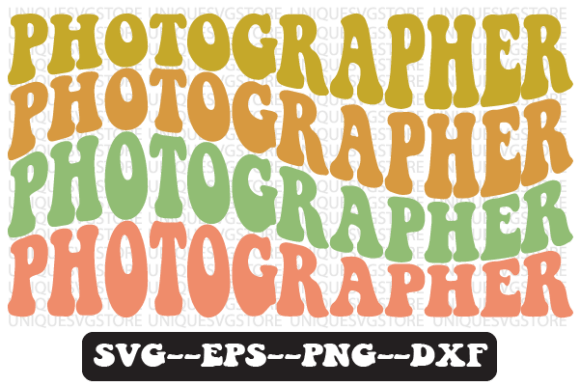
Reviewing the Photographer Quote Retro SVG for Embroidery
As a designer who spends half my life digitizing files and the other half watching them stitch out on various fabrics, I have learned to look past the initial flash of a digital preview. We often see stunning graphics in Crafts marketplaces that look incredible on a screen but pose significant challenges when translated into thread. Today, I am taking a close, practical look at the Photographer Quote Retro Svg Design. This is not just a visual asset; it is a potential cornerstone for a niche product line, provided we approach it with the right technical expectations.
The first thing that strikes me about this design is its mood. It captures that specific, nostalgic aesthetic that appeals strongly to creative professionals and hobbyists alike. The retro styling suggests a vintage camera era, evoking feelings of authenticity and artistic passion. For an embroidery project, this thematic consistency is crucial. When a customer buys a personalized gift or a piece of custom apparel, they are buying into a feeling. This design delivers that feeling instantly. However, as an experienced reviewer, my job is to determine if that feeling survives the needle.
Visual Appeal and Stitching Clarity
The layout of the Photographer Quote Retro Svg Design appears balanced, combining typographic elements with iconic imagery. In the world of Graphics, balance is easy to achieve. In embroidery, balance is a battle against physics. The quote element likely relies on clean lines to remain legible. If this design is intended for machine embroidery, the transition from vector paths to stitch types—such as satin stitch for borders or fill stitch for larger areas—must be precise. Tiny lettering is the enemy of durability. If the text is too small, the stitches will merge, turning words into unreadable blobs after the first wash.
I imagine placing this design on a high-quality cotton tote bag. The texture of the canvas provides a stable base, allowing the thread to sit prominently without sinking into the weave. The contrast between the thread colors and the fabric background becomes the primary driver of visual appeal. A retro palette—perhaps mustard yellows, faded teals, or burnt oranges—would enhance the vintage vibe. However, one must be cautious with stitch density. Too dense, and the fabric puckers; too sparse, and the backing shows through, ruining the professional look of the finished product.
Real-World Application: The Custom Sweatshirt Scenario
Let us walk through a real-life scenario. Suppose you are an Etsy seller preparing a batch of holiday gifts for local photographers. You choose a mid-weight hoodie as your canvas. The Photographer Quote Retro Svg Design is positioned on the left chest, a classic spot for boutique branding. Here, the scale matters immensely. A design that looks bold on a desktop monitor might overwhelm a small chest area if not resized correctly.
In this context, the design serves as a statement piece. It tells the wearer, "I see the world through a lens." For a small shop product, this emotional connection drives sales. But practically, you must consider the fabric texture. Hoodies are often made of fleece or thick cotton blends. These materials require careful hooping and robust stabilizer usage. If you skip the cut-away stabilizer, the weight of the embroidery might pull the fabric down, distorting the quote over time. The design’s success here depends not just on the art, but on the technical execution of the embroidery file.
Navigating Fabric and Hoop Constraints
Not every surface is friendly to detailed embroidery. While this design might shine on a flat tote bag or a sturdy apron, it requires caution on other items. Consider a curved surface like a cap. Embroidering on caps is tricky due to the limited hoop size and the uneven tension of the fabric. If the Photographer Quote Retro Svg Design has wide horizontal spans, it may not fit within standard cap hoops without significant resizing, which could compromise legibility.
Similarly, thin or stretchy fabrics present a challenge. If you attempt to stitch this onto a lightweight t-shirt or a baby onesie, the fabric may pucker around the stitch lines. For baby embroidery, softness is paramount. High stitch density can create a stiff patch that irritates sensitive skin. In such cases, using an applique design technique might be smarter. By using fabric patches for the larger graphical elements and only stitching the outlines and text, you reduce bulk and maintain comfort. This is a vital consideration for anyone creating handmade products for infants or delicate garments.
Commercial Viability and Brand Consistency
For craft business owners, consistency is key. If you are building a brand around photography-themed merchandise, this design fits seamlessly into a broader collection. It works well for printable mockups, allowing you to showcase the design on various products before committing to production. This reduces waste and helps you gauge customer interest. Whether you are selling digital embroidery files or finished embroidered patches, the professionalism of the final stitch-out reflects directly on your brand.
Customer trust is built on quality. A sloppy stitch-out with loose threads or misaligned layers signals amateurism. Conversely, a crisp, clean execution of the Photographer Quote Retro Svg Design elevates the perceived value of the item. It transforms a simple sweatshirt into a collector’s piece or a meaningful personalized gift. For commercial embroidery projects, this distinction is what allows you to charge premium prices.
Practical Designer Notes for Best Results
Before you load this design into your machine or send it to print, take a moment to review these practical steps. They are the difference between a project you are proud of and one that ends up in the scrap bin.
- Test on Scrap Fabric: Always run a test stitch on the same type of fabric you intend to use for the final product. This reveals issues with tension and density.
- Check Thread Contrast: Ensure your thread colors stand out against the fabric. Use a black and white mockup to verify that the design remains visible without color cues.
- Review Stitch Density: If the design feels heavy, consider reducing the density or switching to a running stitch for finer details to prevent puckering.
- Confirm Hoop Size: Measure the design dimensions against your available hoops. Do not assume it will fit; measure twice, stitch once.
- Inspect Small Details: Zoom in on the quote text. If any letters are thinner than 2mm, they may not stitch out cleanly. Simplify if necessary.
- Use Proper Stabilizer: Match your stabilizer to your fabric. Cut-away for knits and stretchy fabrics, tear-away for stable wovens.
- Verify Licensing: Before selling finished items or digital products, confirm the license terms. Ensure you have the right to use the design for commercial purposes.
In conclusion, the Photographer Quote Retro Svg Design offers a strong aesthetic foundation for a variety of embroidery projects. Its retro charm appeals to a specific, passionate audience. However, its success relies entirely on thoughtful application. By respecting the limitations of fabric, hoop size, and stitch mechanics, you can transform this graphic into a high-quality, durable, and commercially viable product. Whether you are decorating a kitchen towel, creating a boutique logo, or crafting a holiday gift, let the technical precision match the artistic intent.