So Many Reasons to Be Grateful: A Designer’s Review
As an embroidery designer who spends more time staring at digitized paths than I do sleeping, I have learned that not all inspirational quotes translate well into thread. Some look elegant on a screen but turn into a tangled mess of puckered fabric once the needle hits the hoop. When I first pulled up So Many Reasons to Be Grateful, I was skeptical. Inspirational typography is a saturated market in the world of Crafts and Graphics. However, after reviewing the file structure and running a few test stitches, my perspective shifted. This isn’t just another generic quote; it is a versatile design asset that, when handled with care, can elevate a simple handmade product into something deeply personal and commercially viable.
First Impressions: Mood and Layout
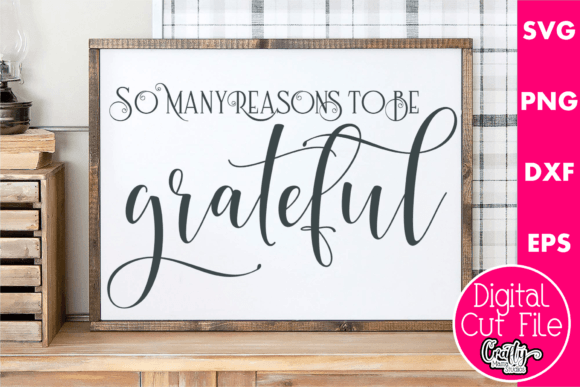
The immediate appeal of So Many Reasons to Be Grateful lies in its balanced composition. The layout avoids the common pitfall of overly dense lettering, which is crucial for embroidery. The visual personality is warm and inviting, creating a mood of calm reflection rather than loud declaration. For a designer, this means the negative space is working as hard as the positive space. The shape of the text flows naturally, suggesting that it was designed with stitch direction in mind, even if it originates as an SVG or PNG for cutting machines. When evaluating this as a potential embroidery file, I look for clean lines and logical breaks. This design offers both, making it a strong candidate for conversion into a machine-ready format.
Real-World Application: The Tote Bag Test
To truly judge a design, you must imagine it on a finished product. I recently worked on a custom order for a local boutique specializing in mindful living goods. They needed a tote bag design that felt artisanal but not overly rustic. So Many Reasons to Be Grateful fit the brief perfectly. I envisioned it stitched in a deep forest green thread on a natural canvas tote. The contrast was striking, yet soft. Because the design relies on clear typography rather than intricate pictorial elements, it scales well. On a larger bag, it serves as a central statement piece. On a smaller pouch, it acts as a subtle accent. This versatility is rare in pre-made design assets, where one size rarely fits all.
Beyond tote bags, this design shines in sweatshirt embroidery. Imagine it placed on the left chest of a oversized crewneck. The sentiment aligns perfectly with the cozy, comforting nature of the garment. It transforms a basic piece of clothing into a personalized gift that carries emotional weight. For Etsy sellers and small shop product creators, this kind of emotional connection drives sales. Customers aren’t just buying a sweatshirt; they are buying a reminder to pause and appreciate their lives. That is the power of thoughtful design in commercial embroidery.
Navigating Technical Challenges
While the aesthetic is strong, practical application requires technical diligence. If you are converting this from an SVG or PNG into a stitched machine embroidery design, you must pay close attention to stitch density. Large blocks of solid fill can cause fabric distortion, especially on lighter materials. I recommend using a combination of satins stitch for smaller elements and lightweight fill stitch patterns for larger areas. Avoid heavy saturation that might make the fabric stiff.
Fabric choice is equally critical. This design performs best on stable, medium-weight fabrics like cotton twill, linen, or fleece. Be cautious with stretchy knits or thin silks. Without proper stabilization, the tension from the stitching can warp the text, ruining the clean lines that make So Many Reasons to Be Grateful so appealing. Always use a cut-away stabilizer for garments that will be washed frequently, such as baby embroidery items or kitchen towels. For caps or curved surfaces, the design may need resizing or re-digitizing to account for the curvature, ensuring the text doesn’t appear distorted when worn.
Commercial Viability and Brand Consistency
For craft business owners, consistency is key to building brand trust. So Many Reasons to Be Grateful offers a professional look that enhances perceived value. It doesn’t look like a clip-art afterthought; it looks intentional. When used in holiday embroidery projects, such as Thanksgiving table linens or Christmas gifts, it adds a layer of sophistication. It appeals to a broad demographic, from young adults seeking mindfulness to older generations who value traditional sentiments.
However, before listing finished items or digital products, you must verify licensing. The product description mentions SVG, EPS, DXF, and PNG formats, which are typically used for cutting machines like Cricut or Silhouette. If you intend to use this as an applique design or convert it for embroidery machines, ensure your license covers commercial use of the modified file. Many designers assume that because they bought the SVG, they can sell the embroidered result. This is not always the case. Check the specific terms provided by the creator. If the license is unclear, reach out for clarification. Protecting your small business from intellectual property issues is just as important as the quality of your stitching.
Practical Designer Notes for Best Results
Before you commit to a full production run, follow these steps to ensure quality:
- Test on Scrap Fabric: Always stitch a sample on the exact fabric you plan to use. Check for puckering, thread breaks, or registration issues.
- Check Thread Contrast: Use high-contrast thread colors for readability, but ensure they harmonize with the base fabric. A printable mockup can help visualize this before stitching.
- Review Stitch Density: If digitizing yourself, reduce density on large areas to prevent stiffness and save thread costs.
- Confirm Hoop Size: Ensure the design fits comfortably within your hoop, leaving enough margin for clamping without stitching over the hoop edge.
- Inspect Small Details: Tiny serifs or thin lines may not stitch out cleanly. Simplify these elements if necessary for better clarity.
- Test in Black and White: View the design in monochrome to check for balance and readability without the distraction of color.
- Compare Backgrounds: See how the design looks on both light and dark fabrics. You may need to adjust thread colors or add a backing for dark materials.
- Use Proper Stabilizer: Match the stabilizer to the fabric weight. Wrong stabilization is the most common cause of poor embroidery quality.
- Verify Licensing: Confirm whether the file allows for commercial sale of finished physical goods or digital derivatives.
Final Verdict
So Many Reasons to Be Grateful is a standout choice for designers looking to add meaningful, high-quality text-based designs to their portfolio. It bridges the gap between digital Graphics and tactile Crafts with ease. Whether you are creating a custom apparel line, designing embroidered patches for a community group, or making a heartfelt personalized gift, this design holds up under scrutiny. It requires respect for technical details—proper digitizing, stabilization, and fabric selection—but rewards that effort with a polished, professional finished product. For the serious maker, it is not just a file; it is a tool for storytelling through thread.