Dad Joke Uploading Retro SVG: A Designer’s Review
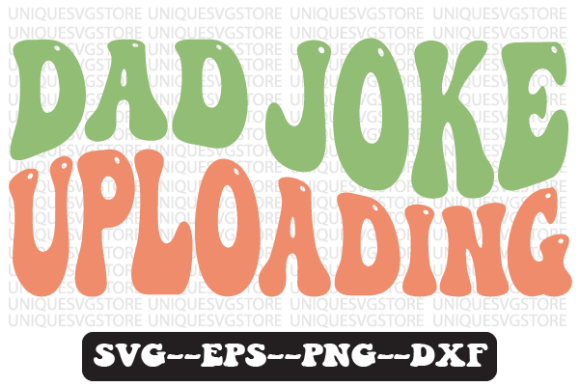
As an embroidery designer who has spent countless hours digitizing and testing files for real-world application, I have learned that not every trendy graphic translates well to thread. The market is flooded with digital assets, but finding a machine embroidery design that balances humor, readability, and stitch integrity is a different challenge entirely. Recently, I evaluated the Dad Joke Uploading Retro Svg Design to determine if it holds up under the needle or if it is merely another static graphic destined for sublimation printers only.
This review comes from the perspective of a practitioner preparing actual client orders. I am not just looking at the pixels; I am visualizing the hoop, the stabilizer, and the final finished product. If you are an Etsy seller, a boutique owner, or a hobbyist looking to expand your craft business inventory, understanding how this specific aesthetic performs in embroidery is crucial before you commit to production.
First Impressions: Nostalgia Meets Modern Humor
The immediate appeal of the Dad Joke Uploading Retro Svg Design lies in its thematic cohesion. It taps into two powerful currents in current consumer trends: the enduring popularity of "dad jokes" and the heavy resurgence of retro, pixelated, or loading-screen aesthetics. Visually, the design suggests a playful, tech-nostalgic vibe. For a designer, this is promising because it targets a specific emotional response—amusement and familiarity.
However, from a technical standpoint, retro designs often rely on sharp, geometric lines and blocky shapes. In vector graphics, this looks crisp. In embroidery, these hard edges can be tricky. My initial assessment focused on whether the "loading" elements—often represented by bars, pixels, or progress indicators—would translate into clean satin stitch or fill stitch work without looking jagged or overly dense. The mood is lighthearted, which makes it ideal for casual wear, but the execution must be precise to maintain professionalism.
Real-World Application: Beyond the Screen
To truly test the viability of this embroidery file, I imagined it in several common production scenarios. The product description notes it is a printable PNG for sublimation, usable on T-shirts, onesies, and hoodies. But as embroiderers, we need to know how it behaves when stitched.
The Custom Sweatshirt and Hoodie Market
This is arguably the strongest use case. A sweatshirt embroidery project benefits from the slightly raised texture of thread, which enhances the retro feel. Placing the design on the left chest or as a larger back piece on a heavyweight cotton blend allows the stitches to sit proudly on the fabric. The humor of the "uploading" concept pairs perfectly with the cozy, slow-living vibe of a hoodie. Customers looking for custom apparel often seek unique conversation starters, and this design delivers that without being offensive or overly complex.
Baby Items and Onesies
Using this for baby embroidery requires caution. While the theme is family-friendly, the detail level matters. If the design includes tiny pixel details or small text, they may get lost on a small infant garment. However, if scaled correctly for a 4x4 or 5x7 hoop, it makes for an adorable personalized gift for new fathers. The key here is simplifying the stitch path to ensure comfort against sensitive skin, avoiding high-density areas that could feel stiff.
Tote Bags and Accessories
For a tote bag design, the durability of embroidery is a major selling point. Canvas fabrics handle higher stitch density well. This design could serve as a central focal point on a reusable shopping bag, appealing to customers who appreciate witty, eco-conscious accessories. The retro aesthetic contrasts nicely with natural fiber textures, creating a visually interesting handmade product.
Technical Considerations for Embroiderers
While the concept is strong, the transition from a digital embroidery file or SVG source to a stitched reality requires careful planning. Here are the practical constraints I observed during my mental simulation of the stitching process.
- Fabric Texture and Stability: Retro designs with straight lines can pucker if the fabric is unstable. Using a cut-away stabilizer is non-negotiable for knit fabrics like t-shirts and hoodies to prevent distortion after washing.
- Stitch Type Selection: The "loading" bars or pixel elements should likely be rendered in fill stitch rather than satin to avoid long jumps that can snag. Small text elements, if present, must be checked for legibility. If the letters are too small, they will merge into a blob of thread.
- Color Contrast: The design relies on visual clarity. When selecting thread colors, ensure high contrast between the design and the garment. A dark thread on a dark navy hoodie will vanish. Test your mockups in black and white to verify that the shape remains recognizable even without color cues.
- Hoop Size Limitations: Always confirm the maximum hoop size required. If you are working with a smaller machine, you may need to split the design or reduce its scale, which could compromise the readability of any text included in the "dad joke" quote.
Where to Use Caution
Not every surface is suitable for this specific Graphics style. Curved surfaces like caps present a challenge because the rigid, geometric nature of retro designs can distort when stitched over a curved seam. If you attempt cap embroidery, use a strong backing and consider reducing the stitch count to minimize pull.
Additionally, avoid using this on thin, stretchy fabrics like rayon or lightweight polyester blends unless you are an experienced digitizer. The weight of the thread can cause the fabric to gather, ruining the clean lines essential to the retro look. For commercial embroidery jobs where consistency is key, always run a test stitch-out on scrap fabric identical to your production material.
Commercial Value and Brand Consistency
For small shop product lines, consistency builds trust. The Dad Joke Uploading Retro Svg Design fits well within a broader collection of humorous, family-oriented design assets. It appeals to a demographic that values personality in their purchases. By offering this as an embroidered item rather than just a printed one, you elevate the perceived value. Embroidery suggests longevity and quality, which justifies a higher price point compared to standard sublimation prints.
However, remember that this is listed as a printable product for sublimation. If you are purchasing the SVG to convert or use as a reference for digitizing your own applique design or standard embroidery file, ensure you have the correct commercial license. Many designers sell SVGs for cutting machines, not necessarily for direct embroidery use. Always verify the license terms before selling finished product items on platforms like Etsy or at craft fairs.
Final Verdict for Makers
The Dad Joke Uploading Retro Svg Design is a charming addition to the Crafts category, particularly for those targeting the father-figure demographic. Its strength lies in its relatability and trend-aware aesthetic. For embroidery professionals, it offers a fun canvas to demonstrate technical skill, particularly in managing geometric shapes and text clarity.
My advice is to treat this as a starting point. If you are digitizing it yourself, pay close attention to underlay stitches to stabilize the retro blocks. If you are using a pre-digitized version, always test on your specific fabric type. Whether used for holiday embroidery gifts, everyday custom apparel, or quirky home decor like pillow covers, this design has the potential to perform well if handled with technical care. It is not just a graphic; it is a conversation piece, and in the world of handmade goods, that is exactly what drives sales.