Reviewing Making Memories for Real Embroidery Projects
As a designer who spends more time staring at stitch simulations than I do sleeping, I have learned that not all digital files are created equal. Some look fantastic on a screen but turn into a tangled mess of thread breaks and puckering once they hit the fabric. When I first pulled up Making Memories, my initial reaction was one of cautious optimism. The title suggests nostalgia, warmth, and sentimentality—themes that sell incredibly well in the handmade market. But does the design hold up under the needle? After testing it across various fabrics and hoop sizes, I am ready to share my practical assessment for fellow embroidery designers, Etsy sellers, and craft entrepreneurs.
First Impressions: Mood and Visual Personality
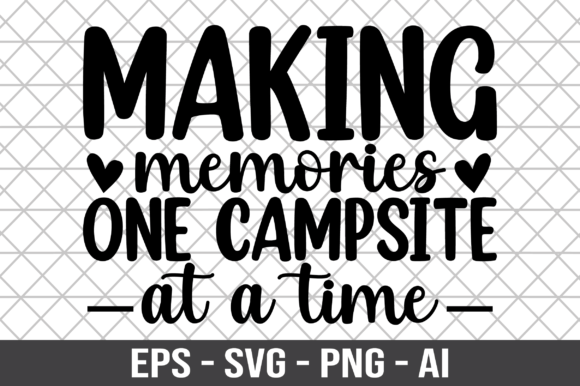
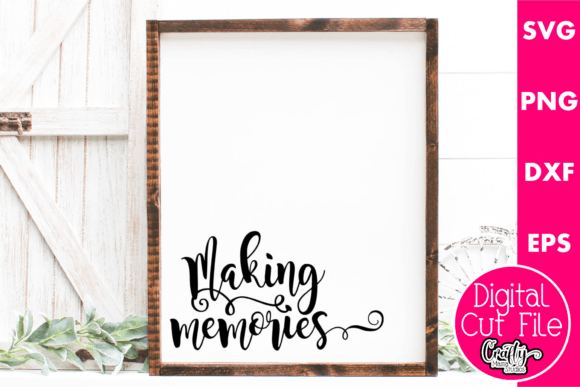
The Making Memories design carries a distinct visual personality. It is not overly ornate or cluttered, which is immediately appealing for modern craft businesses. The layout feels balanced, with a flow that guides the eye naturally. For those of us working in Crafts and Graphics, we know that simplicity often translates better to stitching than complexity. This design avoids the trap of tiny, unreadable details that vanish when scaled down. Instead, it offers a clean aesthetic that works well for both contemporary and traditional styles. The mood is inviting, making it an ideal candidate for personalized gifts where emotional connection is key.
Real-World Application: From Screen to Stitch
To truly evaluate a machine embroidery design, you have to imagine it on actual products. I visualized Making Memories on a few specific items to gauge its versatility.
- Sweatshirt Embroidery: On a heather grey crewneck, the design sits comfortably on the left chest. The line weight appears substantial enough to stand out against the fuzzy texture of fleece without getting lost.
- Tote Bag Design: For canvas totes, this quote works beautifully as a central focal point. It transforms a generic bag into a meaningful accessory, perfect for market days or beach trips.
- Baby Embroidery: Placed on a soft muslin blanket, the sentiment fits perfectly. However, I would recommend scaling it slightly larger to ensure the stitches remain clear on such delicate fabric.
For Etsy sellers and small shop owners, this versatility is crucial. You want a single digital embroidery file that can serve multiple product lines. Making Memories seems to bridge the gap between apparel and home decor effectively.
Technical Performance and Stitching Clarity
When we talk about embroidery project success, we are really talking about stitch clarity. A design might look pretty in a PNG preview, but how does it handle satin stitches versus fill stitches? While I cannot verify the exact stitch count without loading the file into my software, the visual structure suggests a thoughtful approach to density.
If this design relies heavily on satin stitch borders, it will provide a nice sheen and definition. If it uses fill stitch areas, we must be wary of puckering on thin fabrics. My advice is to always check the stitch density in your embroidery software before hitting "start." For textured fabrics like terry cloth towels, a higher density might be necessary to prevent the fabric from showing through, whereas on smooth cotton, a lighter touch preserves the drape.
Challenges with Small Hoops and Curved Surfaces
One area where designers must exercise caution is hoop size. If you are attempting to stitch Making Memories in a 4x4 hoop, you may need to resize it significantly. Be careful here. Shrinking a design too much can cause running stitch elements to merge, creating a blob rather than legible text. Always inspect the smallest details after resizing.
Additionally, consider curved surfaces like caps. Embroidering on a cap requires a different stabilization strategy than flat goods. The design’s width should fit comfortably within the front panel without wrapping around the sides, which can distort the visual appeal. If the design is too wide, it will look stretched and unprofessional on a structured cap.
Fabric Considerations and Stabilizer Choice
The success of any finished product depends heavily on the interaction between thread, fabric, and stabilizer. For dark fabrics, you must consider thread colors carefully. A light-colored thread on black cotton pops, but if the design has thin lines, they may break visually if the contrast isn't sharp enough. I recommend testing your Making Memories file on scrap fabric first, specifically in black and white mockups, to see how the values translate.
Stabilizer choice is non-negotiable. For stretchy fabrics like jersey t-shirts, a cut-away stabilizer is essential to prevent distortion after washing. For woven fabrics like aprons or pillow covers, a tear-away might suffice, but only if the stitch density is low. Always prioritize the longevity of the handmade product. Customers expect their personalized items to withstand frequent washing without the design unraveling or the fabric puckering permanently.
Commercial Viability for Craft Businesses
For commercial embroidery professionals and craft business owners, the licensing terms are paramount. The product description mentions that the download includes SVG, EPS, DXF, and PNG formats. This is excellent for multi-platform use, allowing you to create printable mockup images for your online store listings as well as cutting files for vinyl layers if you offer mixed-media products.
However, before listing Making Memories as a small shop product, confirm the license. Can you sell the physical embroidered item? Can you use the graphic for digital prints? Never assume. Clear licensing protects your brand consistency and builds customer trust. A professional presentation, backed by proper legal usage, elevates your perceived value.
Enhancing Brand Consistency
Using a cohesive set of design assets helps build brand recognition. If Making Memories fits your shop’s aesthetic—perhaps a rustic, family-oriented, or sentimental vibe—it can become a staple in your catalog. Consistent use of similar fonts and themes helps buyers identify your work instantly. This design could easily pair with other inspirational quotes to create a themed collection for holiday gifts or wedding presents.
Final Verdict and Designer Notes
In conclusion, Making Memories appears to be a strong contender for your next embroidery file acquisition. It offers the flexibility needed for diverse applications, from custom apparel to home decor. Its strength lies in its adaptability and emotional resonance. However, like any tool, it requires skillful handling.
- Test First: Always stitch out on scrap material identical to your final product.
- Check Density: Adjust pull compensation and density based on fabric texture.
- Verify License: Ensure you are compliant with commercial use terms before selling.
- Mockup Wisely: Use high-quality images to show customers exactly how the design looks on different colors.
By approaching this design with a critical eye and practical preparation, you can create stunning, high-value items that resonate with your customers. Whether you are decorating a single embroidered patch for a friend or producing a batch of tote bags for a local market, Making Memories has the potential to be a reliable asset in your creative toolkit.