Reviewing the Wedding Day SVG Cut File for Embroidery
As a designer who spends half my life digitizing patterns and the other half stitching them out, I have learned that not every digital file translates well to thread. We often see beautiful vector art in the Crafts and Graphics categories that looks stunning on a screen but becomes a nightmare under the needle. Today, I am taking a close look at the Wedding Day SVG Cut File Wedding to evaluate its potential for real-world embroidery projects. This is not just about whether the lines are clean; it is about whether this design can hold up in a client’s hands, survive a wash cycle, and elevate a handmade product.
First Impressions and Design Personality
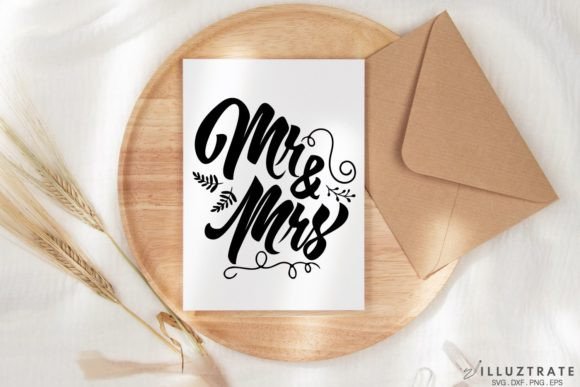
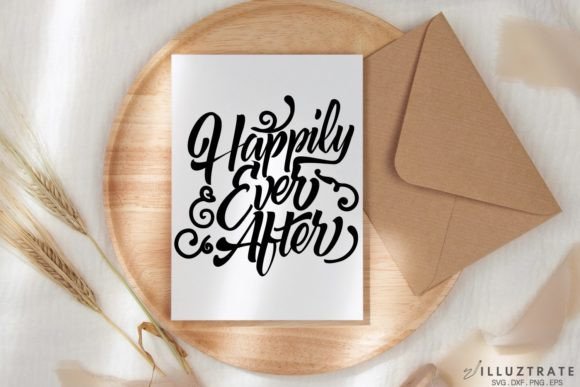
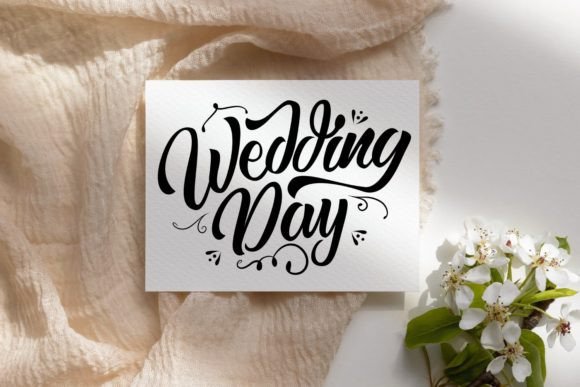
When I first loaded the Wedding Day SVG Cut File Wedding into my workspace, the immediate impression was one of celebratory elegance. The layout suggests a focus on typography and symbolic imagery, which is typical for wedding-themed assets. For an embroidery designer, this is both a blessing and a challenge. Typography requires precise digitizing to ensure legibility, especially when scaled down. The visual personality here feels romantic and structured, making it a natural fit for commemorative items. It does not scream for attention with overly complex details, which is a good sign. Simpler designs often translate better to stitch work because they allow the texture of the thread to shine without becoming muddy or dense.
The mood created by this file is warm and inviting. It suits the aesthetic of modern brides and grooms who appreciate minimalism mixed with traditional sentiment. However, as a reviewer, I must look past the initial charm. I need to know how those curves will behave when filled with satin stitches or running stitches. Does the spacing allow for proper thread coverage? These are the questions that determine whether a file is merely decorative or truly functional for a craft business.
Real-World Application: The Custom Tote Bag Test
To test the viability of this design, I imagined a common scenario for many Etsy sellers and small shop owners: creating a personalized bridal party gift. Let’s say you are producing a set of canvas tote bags for a bachelorette party or a wedding day emergency kit. The Wedding Day SVG Cut File Wedding would be the centerpiece of this project. Canvas is a sturdy fabric with a visible weave, which means the design needs enough weight to stand out against the texture.
If I were digitizing this for a tote bag, I would likely convert the vector paths into a combination of fill stitches for larger areas and satin stitches for borders or text. The success of this embroidery project depends on the scale. If the design is too small, the details might get lost in the fabric grain. If it is too large, it could become stiff and uncomfortable to carry. This is where the versatility of the SVG format helps, allowing me to resize the artwork before converting it into an embroidery file. For a sweatshirt or a cap, the approach would differ slightly due to the stretch and curvature of the material, but the core design elements remain the same.
Navigating Fabric and Hoop Constraints
One of the most critical aspects of using any digital embroidery file is understanding its limitations on different materials. While the Wedding Day SVG Cut File Wedding is designed for crafters using tools like Silhouette Cameo and Cricut Maker, embroidery machines have different physical constraints. If you plan to use this on a curved surface like a baseball cap, you must consider the hoop size. A standard cap frame limits your working area, so you may need to crop or simplify the design to ensure it fits without distortion.
Textured fabrics present another challenge. On a fluffy towel or a thick fleece blanket, fine details can disappear. In these cases, I recommend using an applique design technique if the SVG allows for layered elements. By cutting fabric shapes and stitching them down, you reduce stitch density and create a cleaner look. For thin or stretchy fabrics, such as those used in baby clothes, stability is key. You must use a high-quality stabilizer to prevent puckering. Without proper support, even the best-designed file can pull the fabric and ruin the finished product.
Dark fabrics also require careful planning. If the design relies on subtle shading or light thread colors, it may not pop against black or navy material. I always advise testing the design in a black-and-white mockup first to check contrast. If the details blend together, you may need to adjust the thread colors or add a backing layer to make the design visible. This level of scrutiny is what separates a amateur hobbyist from a professional commercial embroidery provider.
Impact on Brand Value and Customer Trust
For handmade shop owners and boutique branding experts, the quality of your design assets directly impacts your brand consistency. Using a well-executed file like the Wedding Day SVG Cut File Wedding can enhance the perceived value of your personalized gift offerings. Customers associate clean, crisp stitching with professionalism. If the design is poorly digitized, with jumps threads or uneven density, it reflects poorly on your craftsmanship, regardless of how good the original vector art was.
Conversely, a well-stitched design builds customer trust. It shows that you care about the details. Whether you are selling embroidered patches, kitchen towels, or holiday gifts, the clarity of the stitch work tells a story of quality. This is particularly important for wedding-related items, which are often kept as keepsakes. A bride is unlikely to keep a pillow cover with messy stitching, but she will cherish one that looks pristine and elegant. Therefore, the choice of design asset is not just aesthetic; it is a business decision.
Practical Notes for the Embroidery Designer
Before you rush to purchase or download this file for your next big order, take a moment to review the technical specifics. Since the product description mentions compatibility with cut files and sublimation, it does not explicitly state that it is a pre-digitized machine embroidery file. This is a crucial distinction. You may need to digitize the SVG yourself or hire a digitizer to convert it into a format your machine can read, such as PES or DST.
- Test on Scrap Fabric: Always run a test stitch-out on a similar fabric to your final product. This helps you identify tension issues and density problems before committing to expensive materials.
- Check Stitch Density: If you are digitizing from the SVG, ensure you do not over-pack the stitches. High density can cause fabric puckering and thread breakage.
- Verify Licensing: Confirm whether the license allows for commercial use. If you are an Etsy seller or run a small shop, you need to know if you can sell items made with this design.
- Inspect Small Details: Zoom in on the vector file. Are there tiny anchor points or overlapping paths that might cause stitching errors? Clean up the file before digitizing.
- Contrast Check: View the design in grayscale to ensure all elements are distinct. This helps in selecting the right thread colors for visibility.
In conclusion, the Wedding Day SVG Cut File Wedding offers a strong foundation for romantic and celebratory projects. Its strength lies in its thematic relevance and clean layout. However, its success in embroidery depends entirely on how it is adapted to the medium. By paying attention to fabric texture, hoop size, and stitch technique, you can transform this graphic asset into a stunning handmade product. Whether you are creating custom apparel for a bridal party or adding a touch of elegance to home decor, this design has the potential to perform well, provided you approach it with the eye of a experienced designer.