Reviewing The Best Memories Are Svg for Stitchers
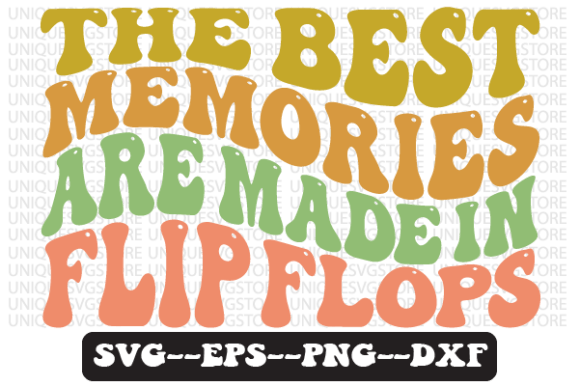
As a designer who spends half my life digitizing patterns and the other half pulling thread through fabric, I have learned to look past the glossy preview images. We all know that what looks crisp on a screen does not always translate cleanly to cloth. When I first encountered The Best Memories Are Svg, my initial reaction was one of cautious optimism. It presents itself as a retro-inspired graphic featuring flip-flops and a nostalgic quote, marketed heavily toward sublimation and printable crafts. But for those of us in the embroidery world, the question is always the same: will this hold up under the needle?
I decided to put this design through its paces, not just as a digital asset for printing, but as a potential candidate for machine embroidery and mixed-media applications. If you are an Etsy seller, a small shop owner, or a hobbyist looking to expand your product line, understanding how a graphic like this behaves in real-world scenarios is crucial before you commit to production.
First Impressions and Visual Personality
The aesthetic of The Best Memories Are Svg leans heavily into that carefree, summer-vibe nostalgia. The layout typically pairs a playful, retro-style font with simple iconography of flip-flops. Visually, it creates a mood of relaxation and warmth. For a designer, the clean lines are appealing, but they also raise immediate questions about stitchability. Retro fonts often have unique quirks—thick strokes, uneven spacing, or decorative serifs—that can be tricky to replicate with thread.
In the context of Crafts and Graphics, this design fits squarely into the lifestyle category. It is not overly ornate, which is a blessing for embroidery. Overly complex designs often result in dense stitch counts that puckering lightweight fabrics. This design appears to have enough negative space to breathe, suggesting it could work well for both apparel and home decor if handled correctly.
Real-World Application: The Summer Tote Test
To evaluate its practicality, I imagined a specific project: a custom canvas tote bag for a beach boutique. This is a common request for commercial embroidery projects. The goal was to create a personalized gift that feels high-end yet casual. I visualized placing the flip-flop quote centrally on the bag. Because the design is originally marketed as a printable PNG for sublimation, using it for embroidery requires a mental shift. You are no longer relying on ink saturation; you are relying on thread texture and stitch direction.
If I were stitching this onto a cotton canvas tote, the boldness of the flip-flop shapes would likely translate well using a fill stitch. The text, however, would need careful attention. If the font is too thin, it might disappear into the weave of the canvas. If it is too thick, it could become stiff. For a sweatshirt embroidery project, the outcome would be different. The loft of the fleece would support heavier stitching, making the design pop, but I would need to ensure the lettering remains legible against the textured background.
Navigating Fabric and Hoop Constraints
One of the biggest challenges with converting a graphic like The Best Memories Are Svg into an embroidery file is managing stitch density. Since this is a printable product originally intended for T-shirts, onesies, and hoodies, the source art is likely optimized for flat color application, not thread build-up. When moving this to embroidery, you must consider the hoop size. A standard 5x7 inch hoop might be tight if the design includes wide lettering. Always check the dimensions before purchasing or digitizing.
Fabric choice plays a massive role here. On thin or stretchy fabrics, such as a lightweight jersey tee or a baby onesie, this design could cause significant distortion if not stabilized properly. I would recommend using a cut-away stabilizer for any garment that will be washed frequently. For structured items like caps or hats, the curved surface adds another layer of complexity. The flip-flop icons might distort if placed too close to the seam. In these cases, simplifying the design or reducing the stitch count becomes necessary to maintain clarity.
Dark fabrics present another hurdle. If you are stitching light-colored thread on a navy hoodie, you need to ensure your underlay stitches are sufficient to prevent the background fabric from showing through the satin stitch or fill areas. This is where test runs on scrap fabric are non-negotiable. Never skip this step, especially when dealing with retro fonts that may have intricate connections between letters.
Commercial Viability and Brand Consistency
For craft business owners and digital product sellers, the appeal of The Best Memories Are Svg lies in its versatility. It fits seamlessly into seasonal collections, particularly for spring and summer holidays. Whether you are creating holiday embroidery for Mother’s Day or casual wear for vacation rentals, the theme is universally recognizable. This recognition drives buyer engagement. Customers are drawn to designs that evoke emotion, and "best memories" is a powerful trigger for nostalgia.
However, professionalism is key. If you are selling finished products, the quality of the stitch-out defines your brand. A messy border or tangled thread in the small details of the flip-flop straps can undermine customer trust. If you are selling the design as a digital embroidery file, you must ensure that the digitization is clean. Check for redundant stitches, optimize the jump stitches, and provide clear instructions on recommended thread colors. A well-digitized applique design version of this graphic could also be a strong seller, allowing users to add fabric textures to the flip-flop shapes, adding value to the final product.
Practical Designer Notes for Success
Before you launch this design into your next embroidery project, keep these practical tips in mind:
- Test on Scrap Fabric: Always stitch a sample on the same material you plan to use for the final product. This reveals issues with tension and density early.
- Check Thread Contrast: Ensure your thread colors stand out against the fabric. High contrast improves readability, especially for the quote portion of the design.
- Review Stitch Density: If you are digitizing this yourself, reduce fill density on larger areas to prevent puckering. For pre-made files, check if a lighter version is available.
- Confirm Hoop Size: Measure the design dimensions against your machine’s maximum hoop size. Do not assume it will fit without checking.
- Inspect Small Details: Zoom in on the flip-flop straps and font serifs. Tiny details may need to be simplified or removed for smaller hoop sizes.
- Use Proper Stabilizer: Match your stabilizer to your fabric. Cut-away for knits, tear-away for wovens, and wash-away for delicate or sheer materials.
- Verify Licensing: Since this is marketed as a printable product, confirm whether the license allows for commercial embroidery use. Many graphic licenses differ from embroidery file licenses.
In conclusion, The Best Memories Are Svg offers a charming, retro aesthetic that can elevate a variety of handmade products. While it originates as a sublimation and print-ready asset, its simple shapes and emotional resonance make it a strong candidate for embroidery adaptation. By paying attention to stitch density, fabric compatibility, and proper stabilization, you can transform this graphic into a high-quality stitched piece. Whether you are decorating a tote bag, personalizing a baby gift, or stocking your small shop with summer essentials, this design has the potential to resonate with customers who value both style and sentiment. Just remember: the difference between a good product and a great one lies in the details of execution.